
Nolensville, Spring Hill
New Garage Door Installation for Nolensville Homes
Nolensville homes mostly went up around 2012, later than much of the service area. That build year decides what your new door install actually needs here.
What the Fix Involves
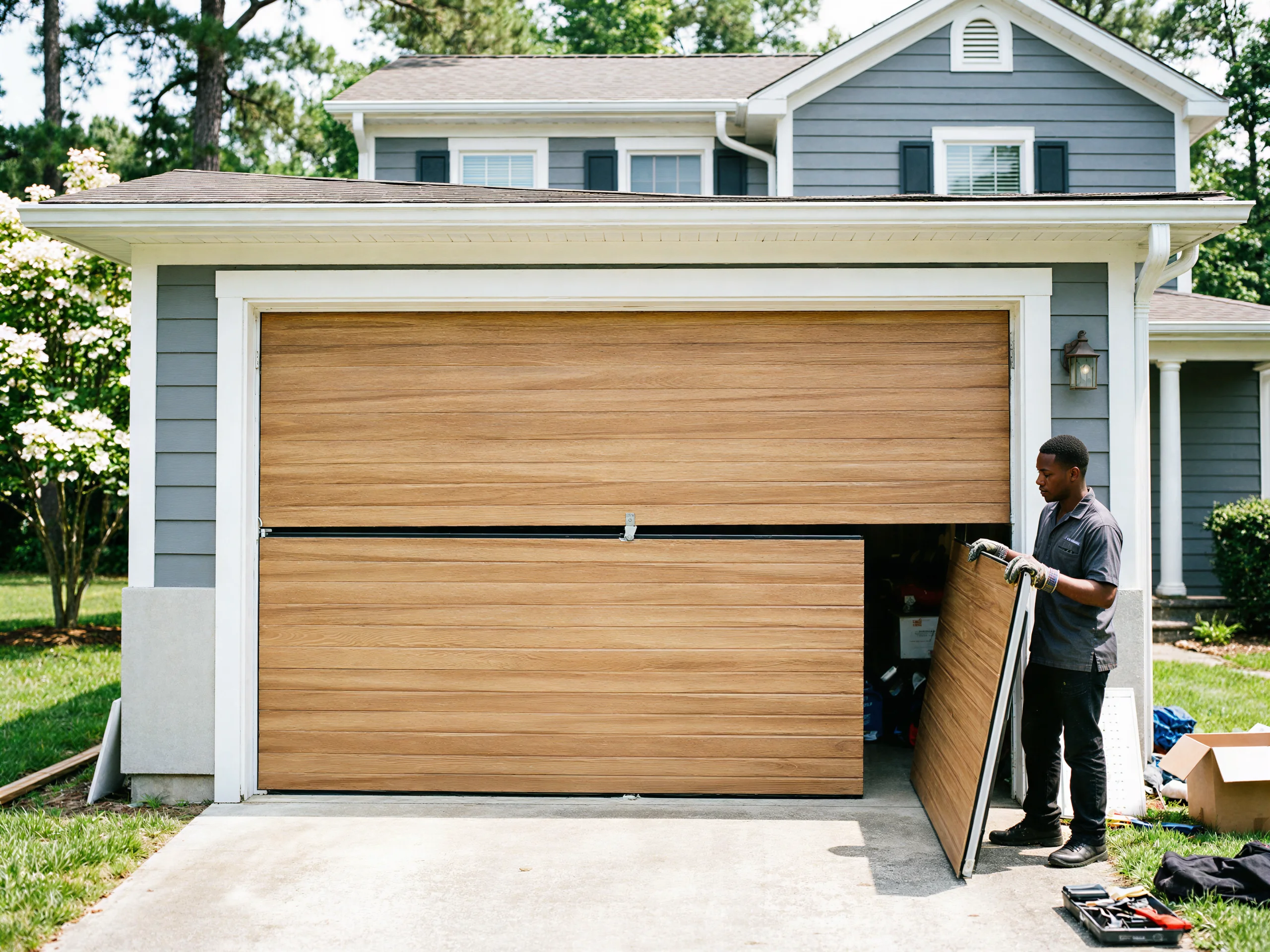
A real new-door install starts with pulling the old door, track, and springs - not just the panel. We measure the opening, check the header and jamb condition, and size new torsion springs to the actual weight of the door going in, not the one coming out.
Plumbing the track
Track gets replaced or reset to plumb, since a lot of garages settle slightly over a decade and the old track was never perfectly square to begin with. Once the door's up, we balance it - lift it halfway and it should hold there on its own.
Opener rating for weight
If it drifts up or down, the spring tension's off and it gets adjusted before the opener goes back on. If the opener's original to a 2012-era build, we check whether it's rated for the new door's weight; builder-grade openers are often sized tight to the original lightweight door and need an upgrade when the new one is heavier.
Bottom seal replacement
Weatherstripping and bottom seal get replaced too - with winters here falling in a cold-moderate band, a gapped seal costs you heat all season, not just on the coldest nights.
What It Costs
We don't post a flat number here because the two things that move the price most - door size and insulation level - vary house to house even within a neighborhood built in the same year.
Single versus double pricing
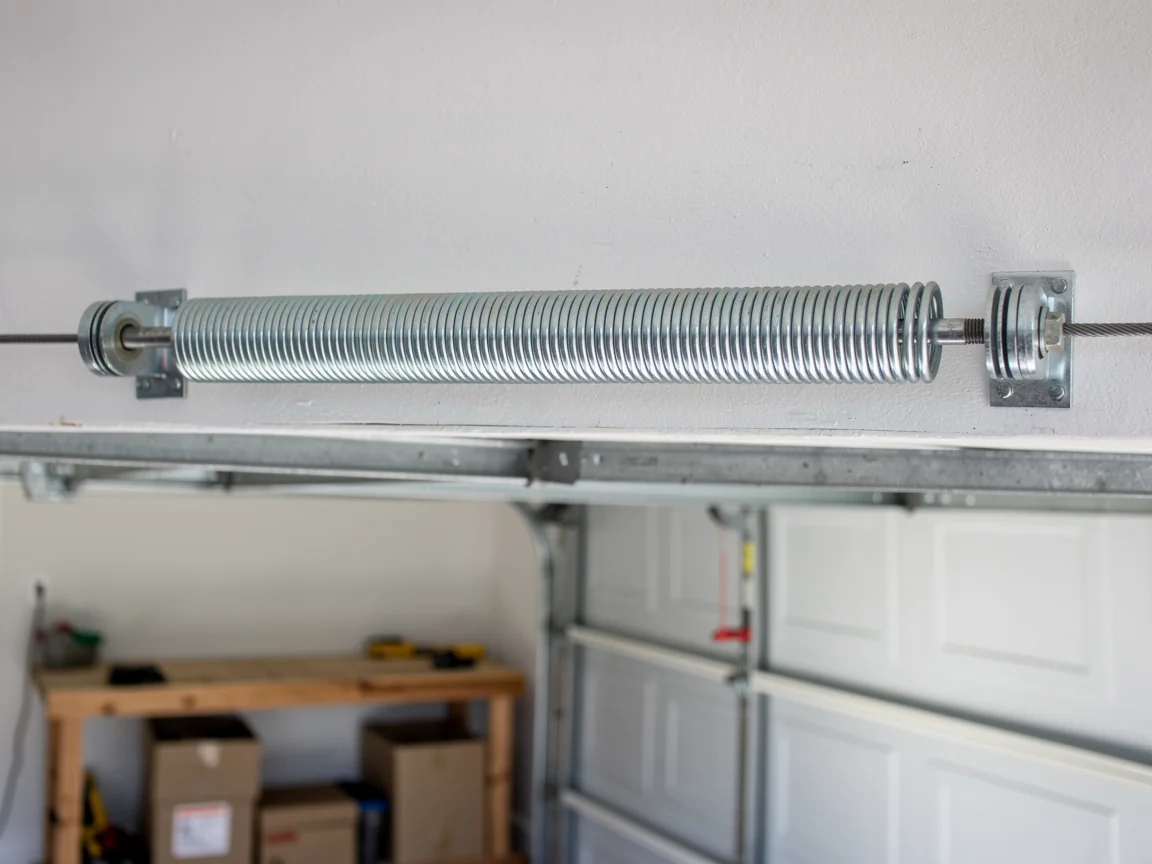
What we can tell you is what drives the number up or down. A single-car opening costs less than a double. An insulated steel or composite door costs more than uninstalled steel, but it also holds up better against the cold-moderate winters this area gets. Opener replacement adds to the job if the old one isn't rated for the new door's weight, which is common when you're upgrading from original builder equipment.
Insulated door preferences
Household income in this part of the service area runs well above the broader average, and we mention that only because it tends to show up in the choices people make - more owners here ask about insulated and composite doors upfront rather than defaulting to bare steel.
Basic steel still works
That's a preference, not a requirement; a basic steel door still does the job and costs less. Ask for a written quote once we've seen your opening and current hardware - guessing a number before that just sets you up for a surprise later.
The DIY Question
Most of Nolensville's housing stock dates to around 2012, which puts it on the newer end of the service area's overall 1991-2013 window. That matters more than it sounds like it should.
Lightweight builder spring sizing
A house built in 2012 almost always shipped with a builder-grade steel door, a lightweight torsion spring sized to that exact panel weight, and a factory opener rated for the same load. If none of that has been swapped out, the spring, the track width, and the drum size are still factory spec - and factory spec on a builder door is rarely what you want if you're installing a heavier insulated replacement.
Undersized spring risk
That's the DIY trap. Pulling the old door and hanging a new one looks straightforward, but if the new door weighs more (and most insulated upgrades do), the old spring is now undersized. Get that wrong and the opener either strains itself to death in a year or the door won't stay up on its own.
Matching spring to door
This isn't a job where close-enough hardware is fine - the spring has to match the door you're actually hanging, not the one that used to be there. We don't recommend tackling a full door swap without someone who can weigh and measure the new panel and recalculate the spring from scratch.
Why This Fails Locally
Generic installation advice assumes a door, a spring, and an opener that all match - and in a lot of older housing stock, they don't anymore because something's already been replaced piecemeal over the years. Nolensville is different in the other direction: with median build year around 2012 and roughly 4,429 households in a smaller, newer pocket of the service area, a lot of the original hardware is still in place, untouched, because the house simply hasn't been around long enough to need a repair yet.
That's exactly why a cookie-cutter install quote falls apart here. The spring that's still holding up a ten-year-old builder door isn't rated for the insulated upgrade a lot of owners want next, and an opener sized to the original lightweight panel won't carry a heavier one safely. Treating this like any other install - pull door, hang door, done - skips the one step that actually matters: resizing the spring and checking the opener against the new door's real weight, not the old one's.
The Complications
The most common surprise on a newer-build install is the spring math, covered above, but a few other things show up specifically in houses from this era.
Sloped concrete floors
Concrete floors poured in the early 2010s sometimes have a slight slope toward the opening for drainage, which is fine for the old lightweight door but can throw off bottom-seal contact on a heavier replacement - we shim or adjust for it, but it's worth knowing before you pick a door that's supposed to seal flush.
Longest run distance
We're honest about one limit here: we travel from Spring Hill, and Nolensville sits about 20 miles out, which is the longest run in our service area. We don't promise same-day installs on this route the way we might closer in - if your opener dies and you need the garage usable that afternoon, plan for next-day scheduling rather than same-day.
Emergency swap limits
For a full install, that's rarely an issue since most jobs get booked ahead anyway, but for an emergency swap it's the honest answer, not the convenient one.
Questions
Common questions
Is my original garage door hardware from when the house was built still in there?
In a lot of Nolensville homes, yes. With median build year around 2012, a large share of houses in this part of the service area still have their original builder-grade spring, track, and opener, simply because the house hasn't aged into needing a repair yet. That's worth checking before an install, since that hardware is sized to the old door's weight, not a new one.
Do I need a heavier opener if I upgrade to an insulated door?
Often, yes. Builder-grade openers from the early 2010s were typically rated for a lightweight uninsulated steel door. If you're moving up to an insulated or composite door, the added weight can exceed what that opener was built to lift safely, so we check the rating against the new door before reusing it.
Can you install the same day if my door fails?
Not reliably on this route. We travel from Spring Hill, and Nolensville is about 20 miles out, the longest stretch in our service area, so same-day isn't something we promise here. For a planned installation this rarely matters since it's scheduled ahead, but for an emergency swap, plan on next-day.
Explore more
More Services in Nolensville
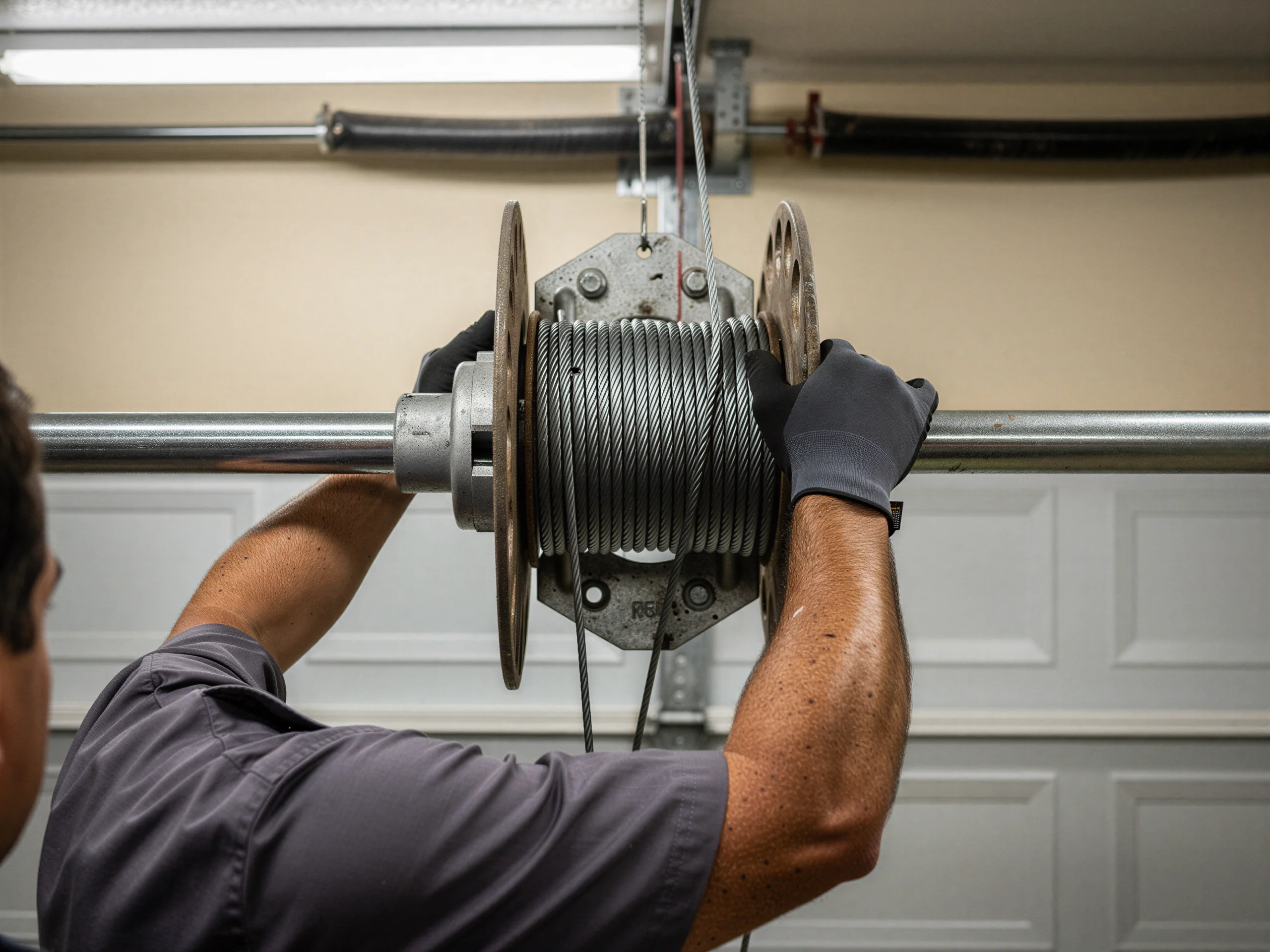
Cable Repair
Nolensville's newer builder-grade doors use different cable and drum setups than older Spring Hill stock. Learn more →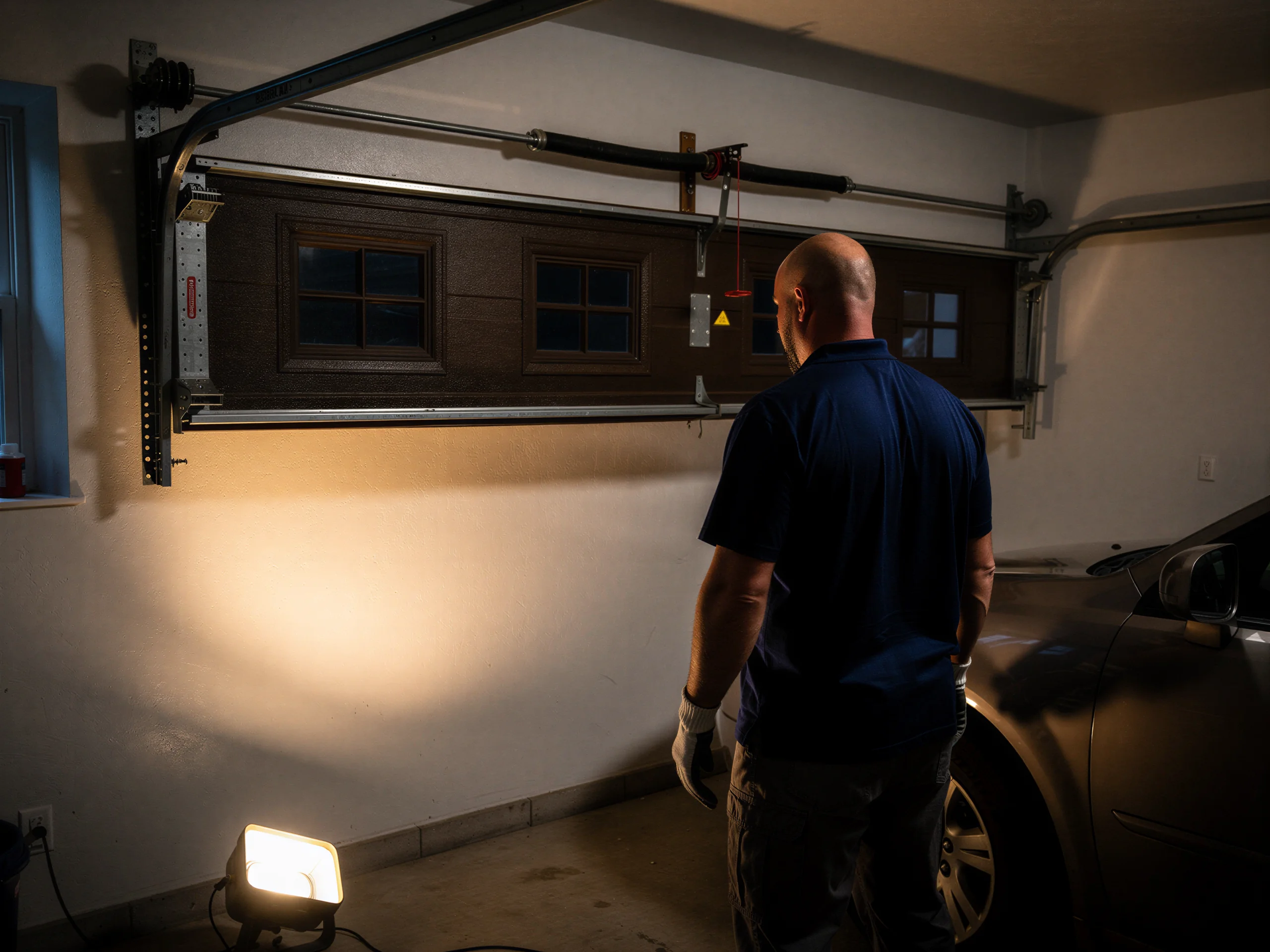
Emergency Garage Door
Nolensville's doors are newer than most of the service area, built mostly after 2012. Learn more →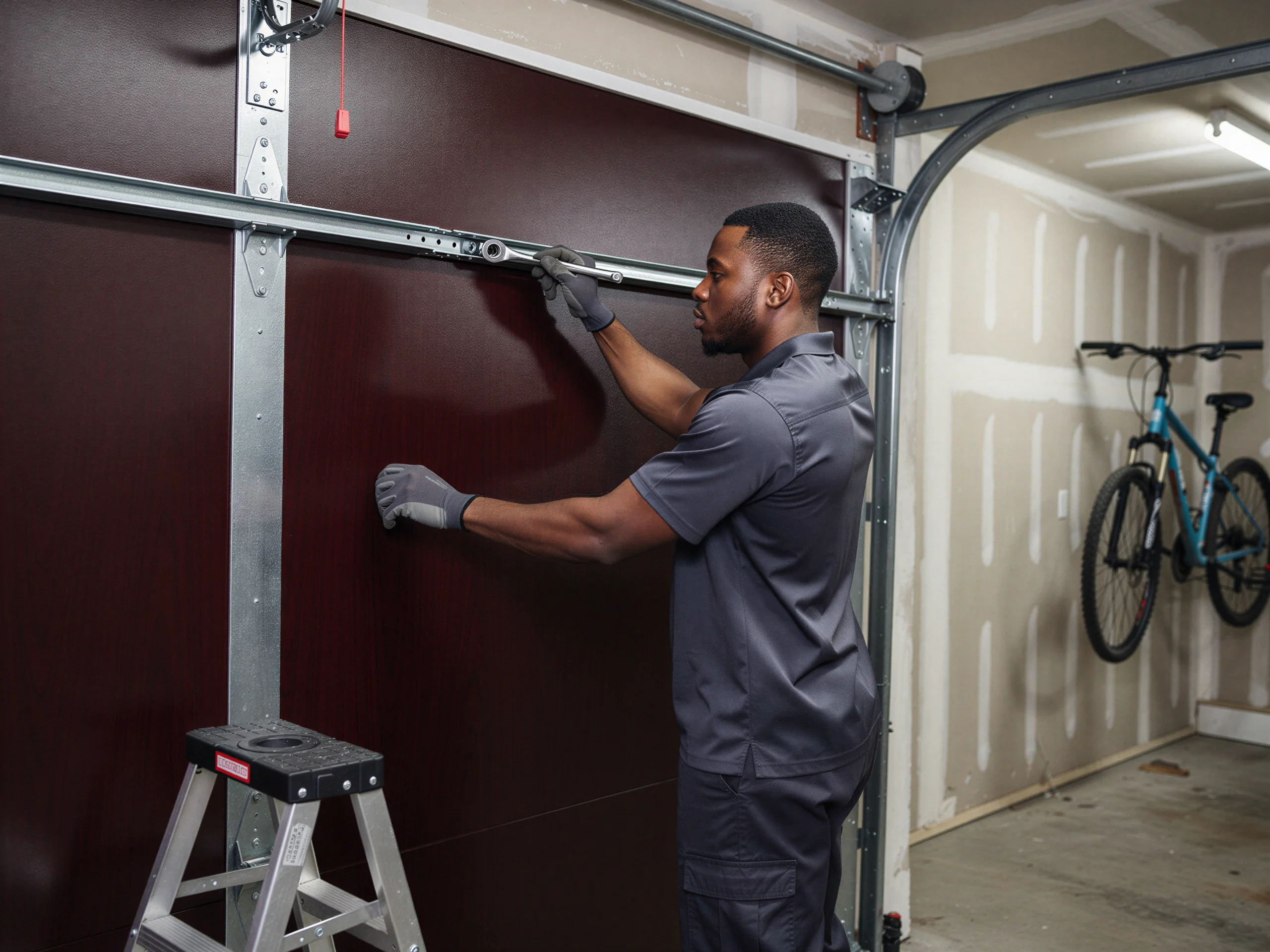
Garage Door Repair
Nolensville homes are mostly 2010s builds, a decade newer than the rest of our service area. Learn more →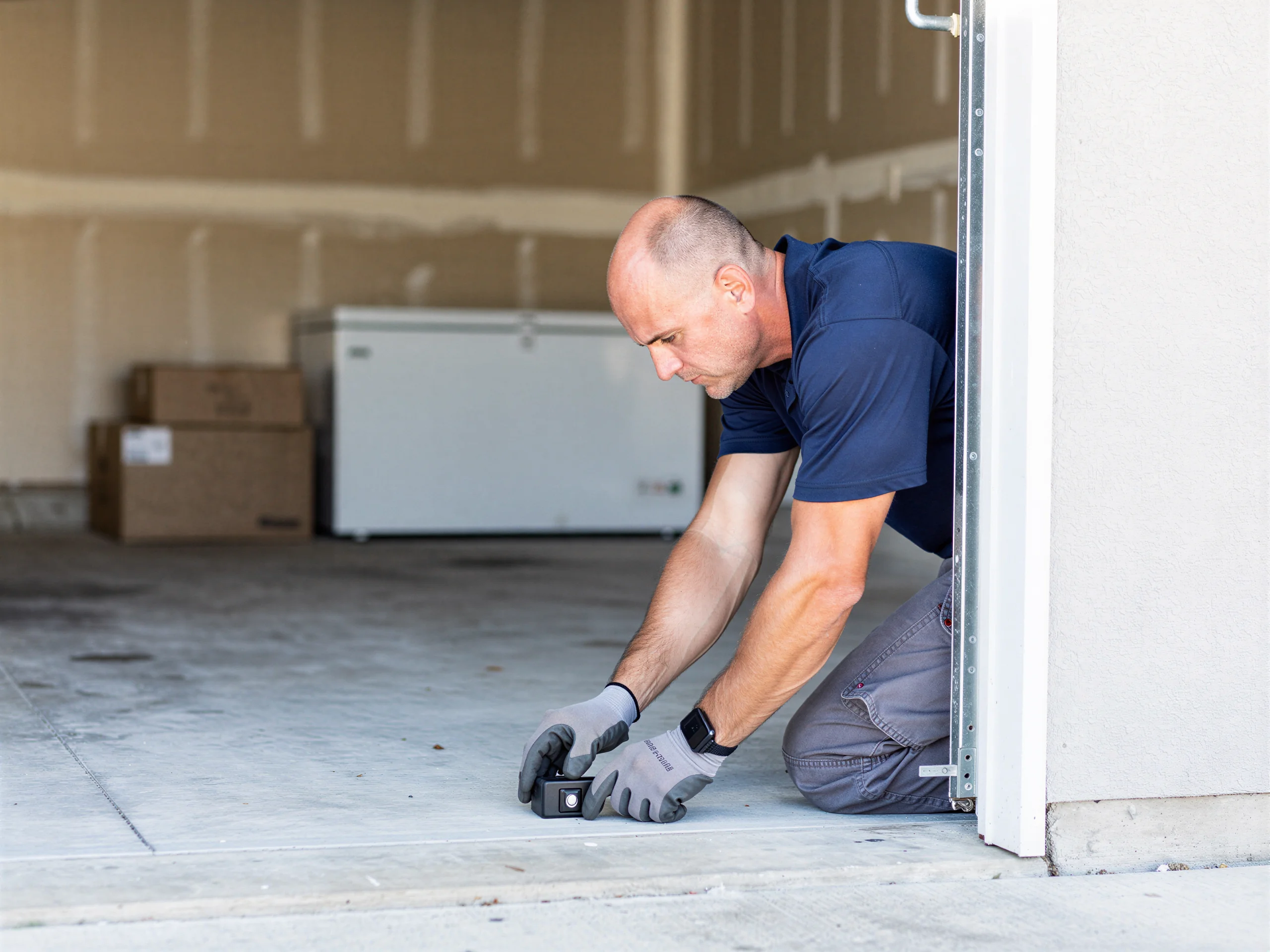
Garage Door Service
Nolennville's homes mostly went up around 2012, which means doors hitting their first major spring and opener failures right now. Learn more →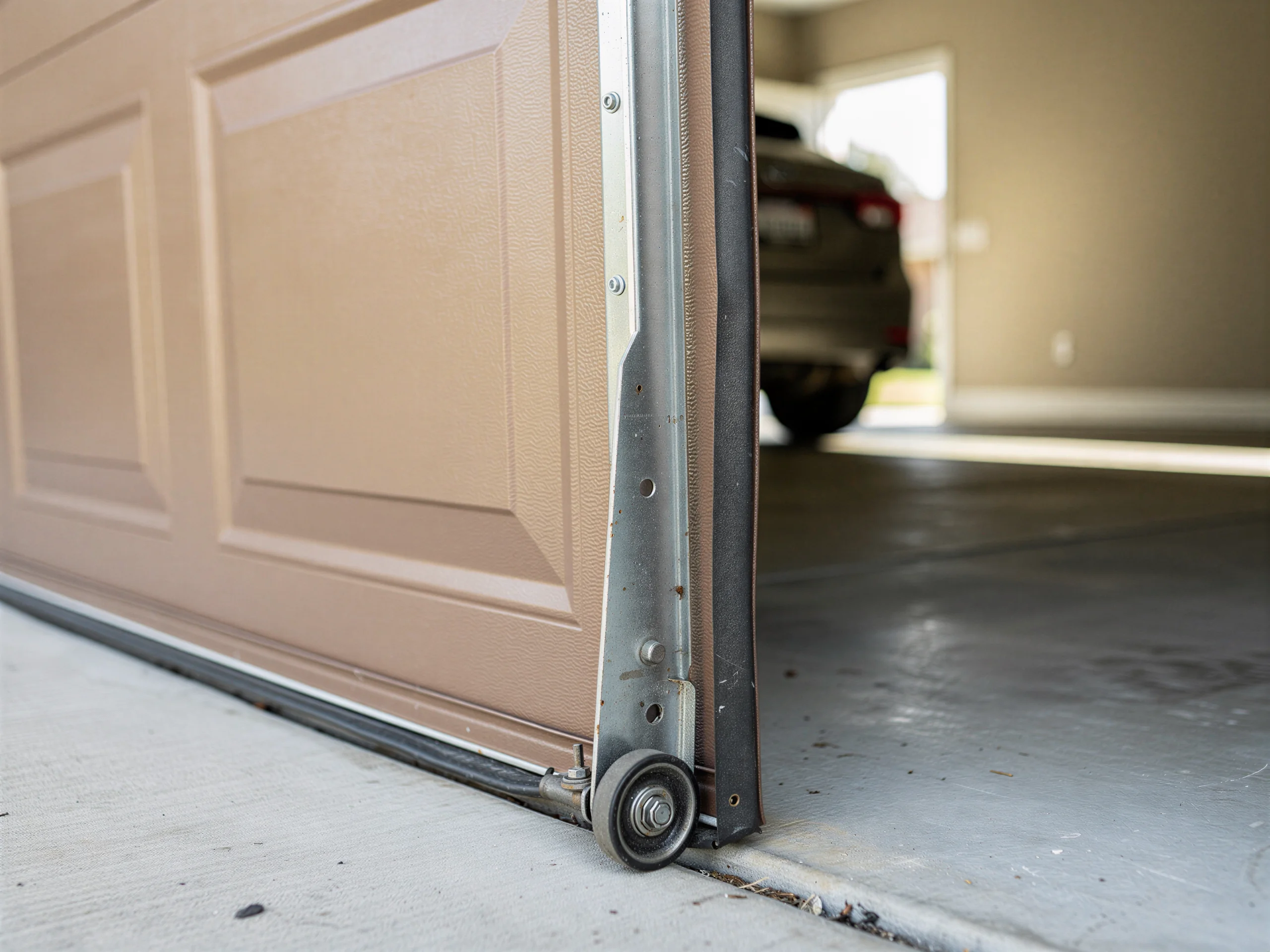
Off Track Repair
Off-track garage door repair in Nolensville, TN, covered from Spring Hill, 20 miles out. Learn more →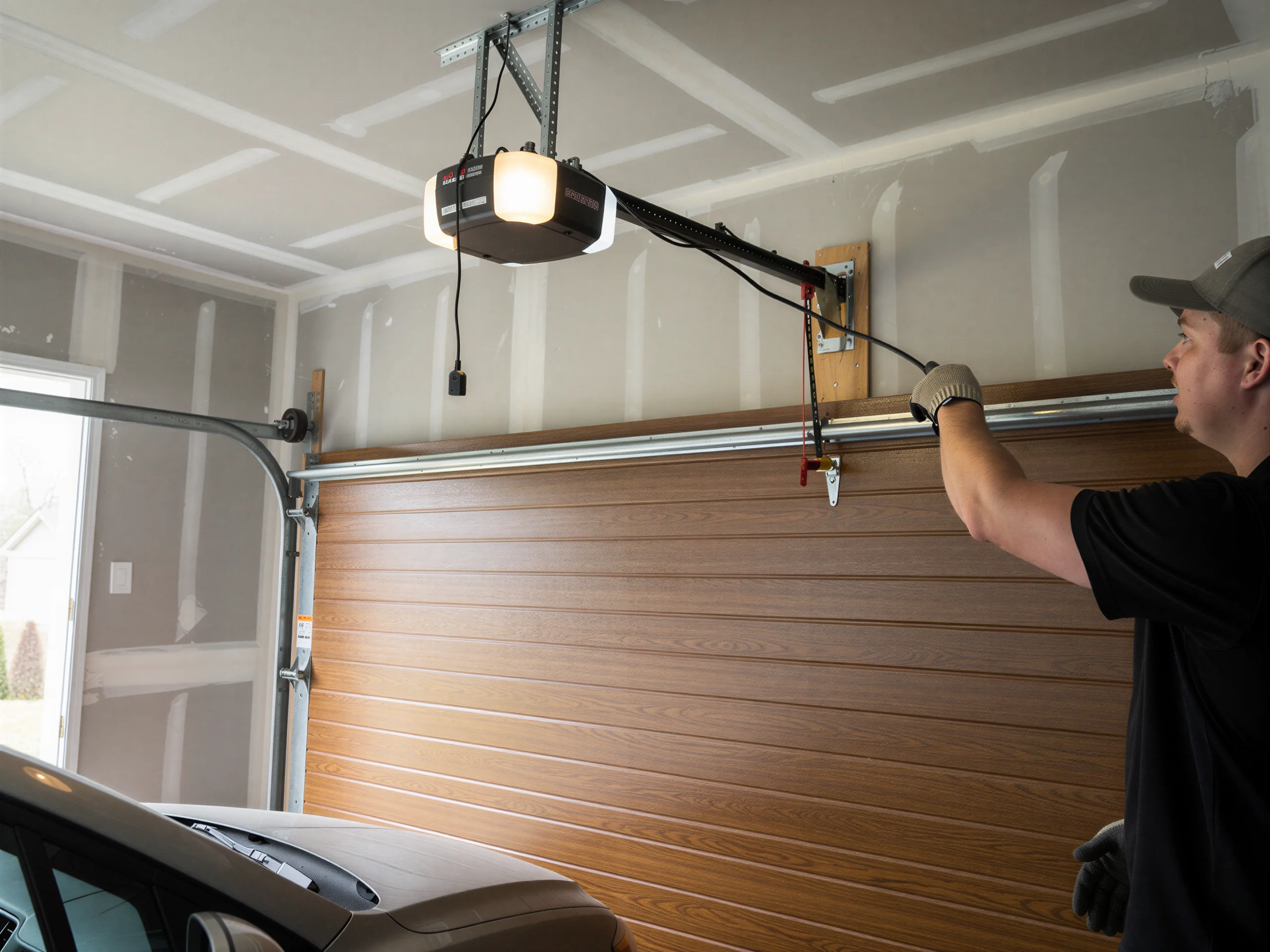
Opener Installation
Nolensville's 4,429 households sit mostly in newer construction built around 2012. Learn more →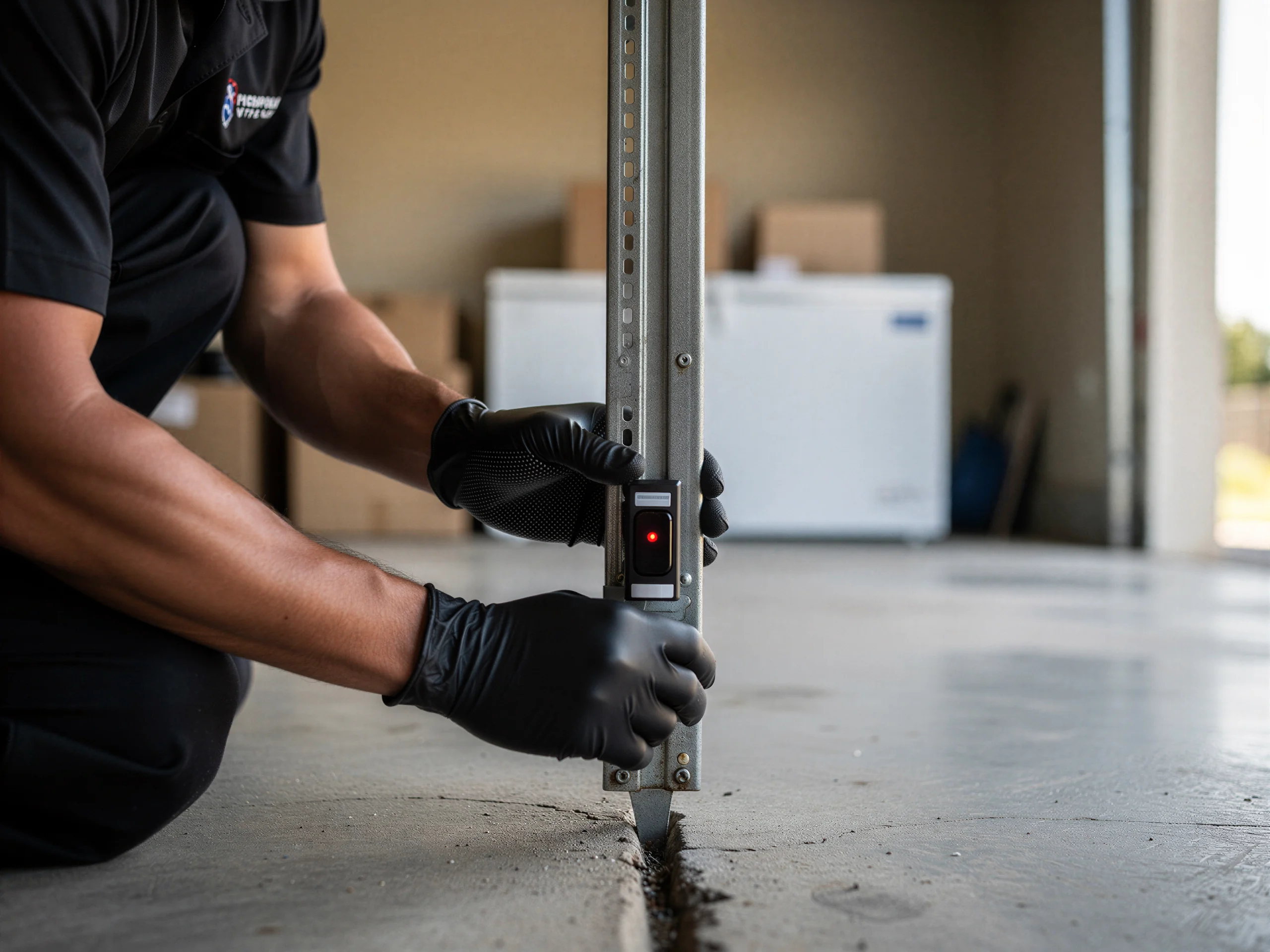
Opener Repair
Opener repair for Nolensville's newer housing stock, built mostly around 2012. Learn more →Ready when you are
Ready for a new garage door in Nolensville?
Spring Hill Garage Door Pros repairs and installs garage doors, springs and openers in Spring Hill, TN and the surrounding area.