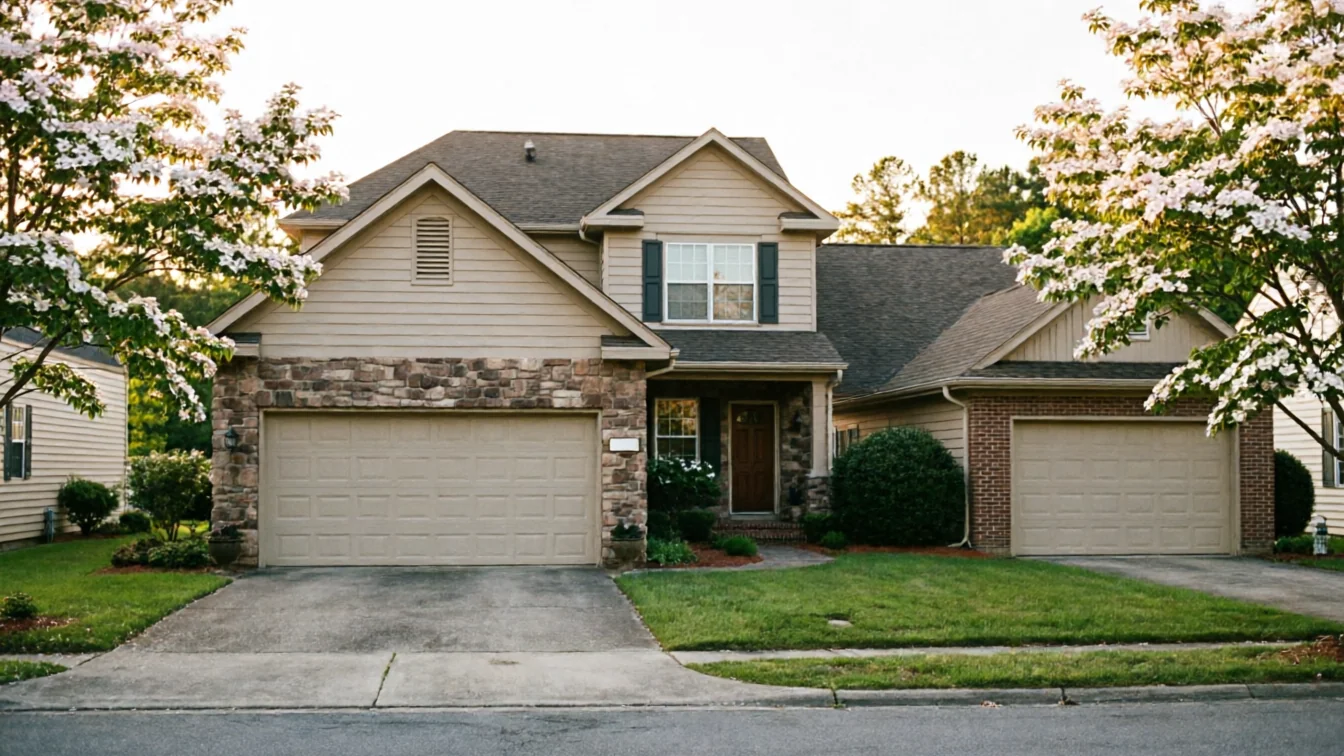
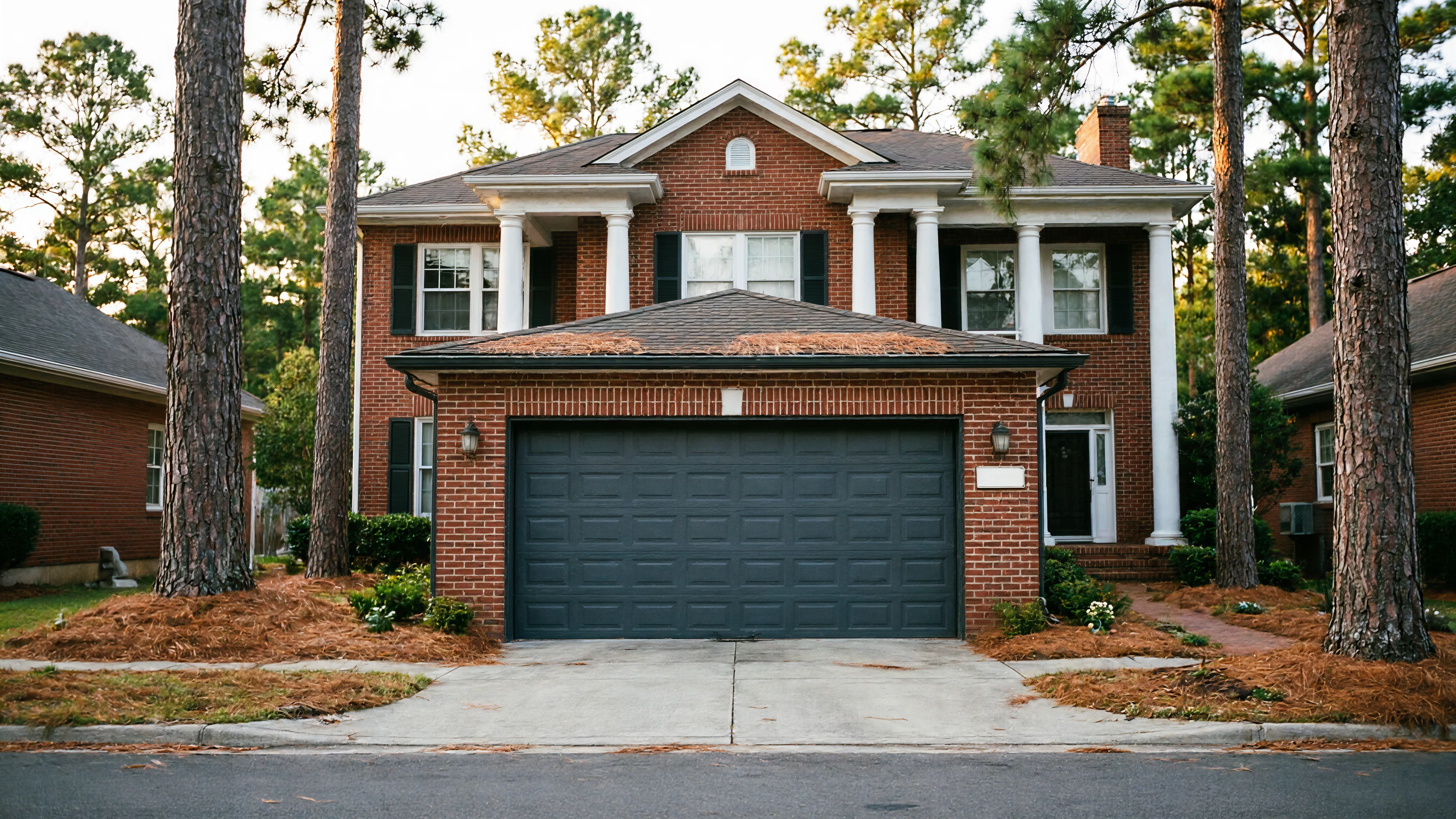
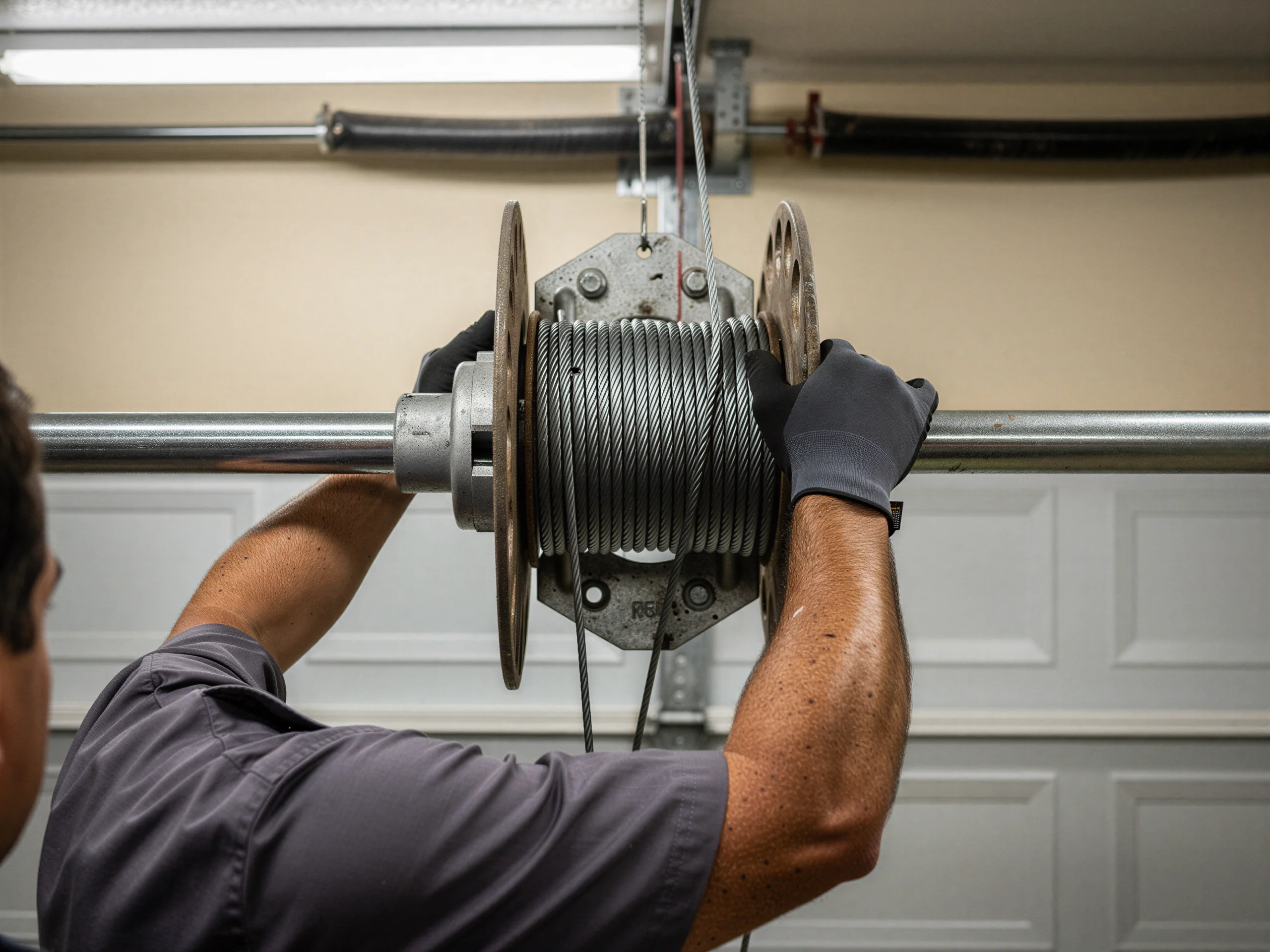
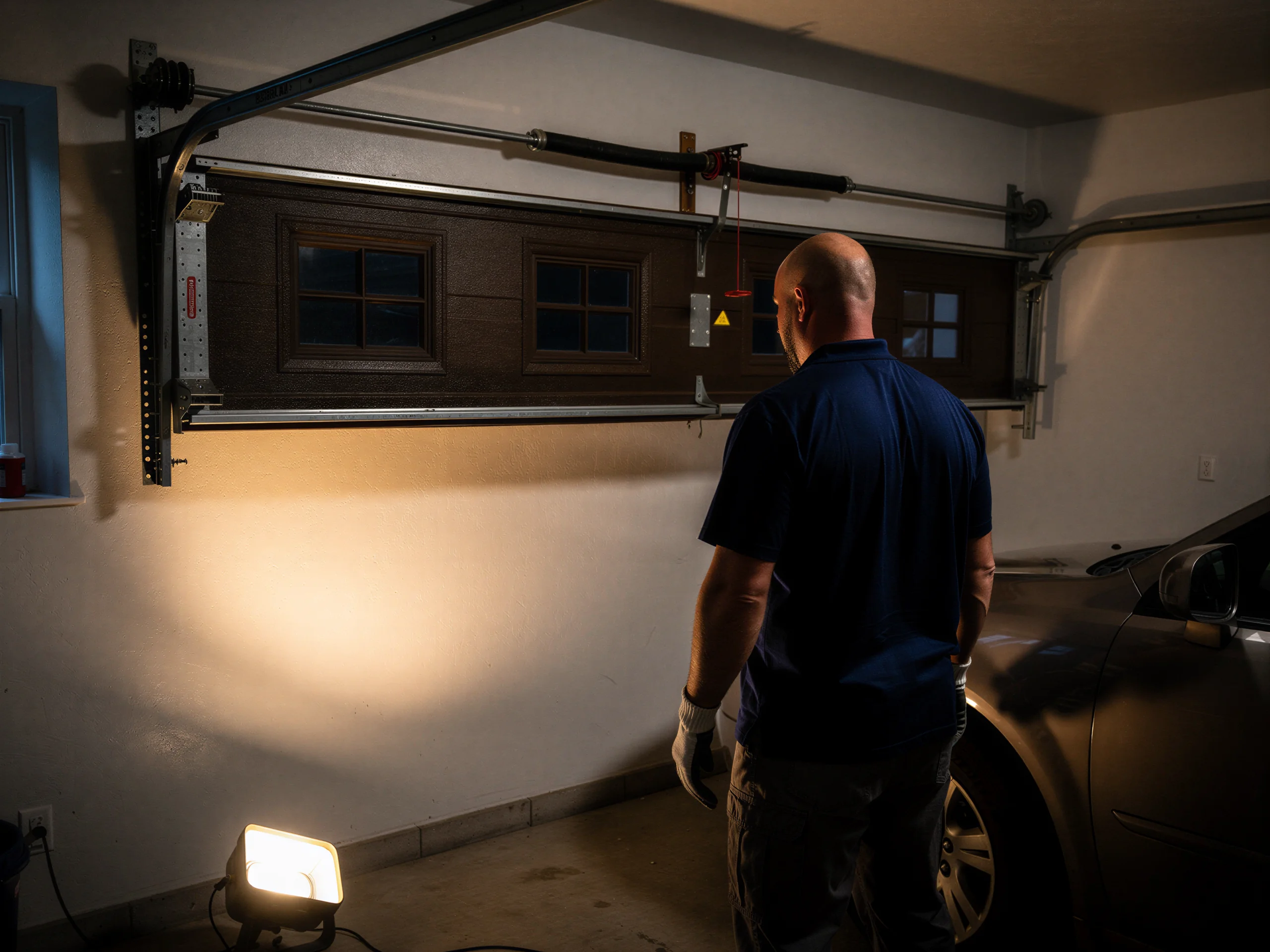
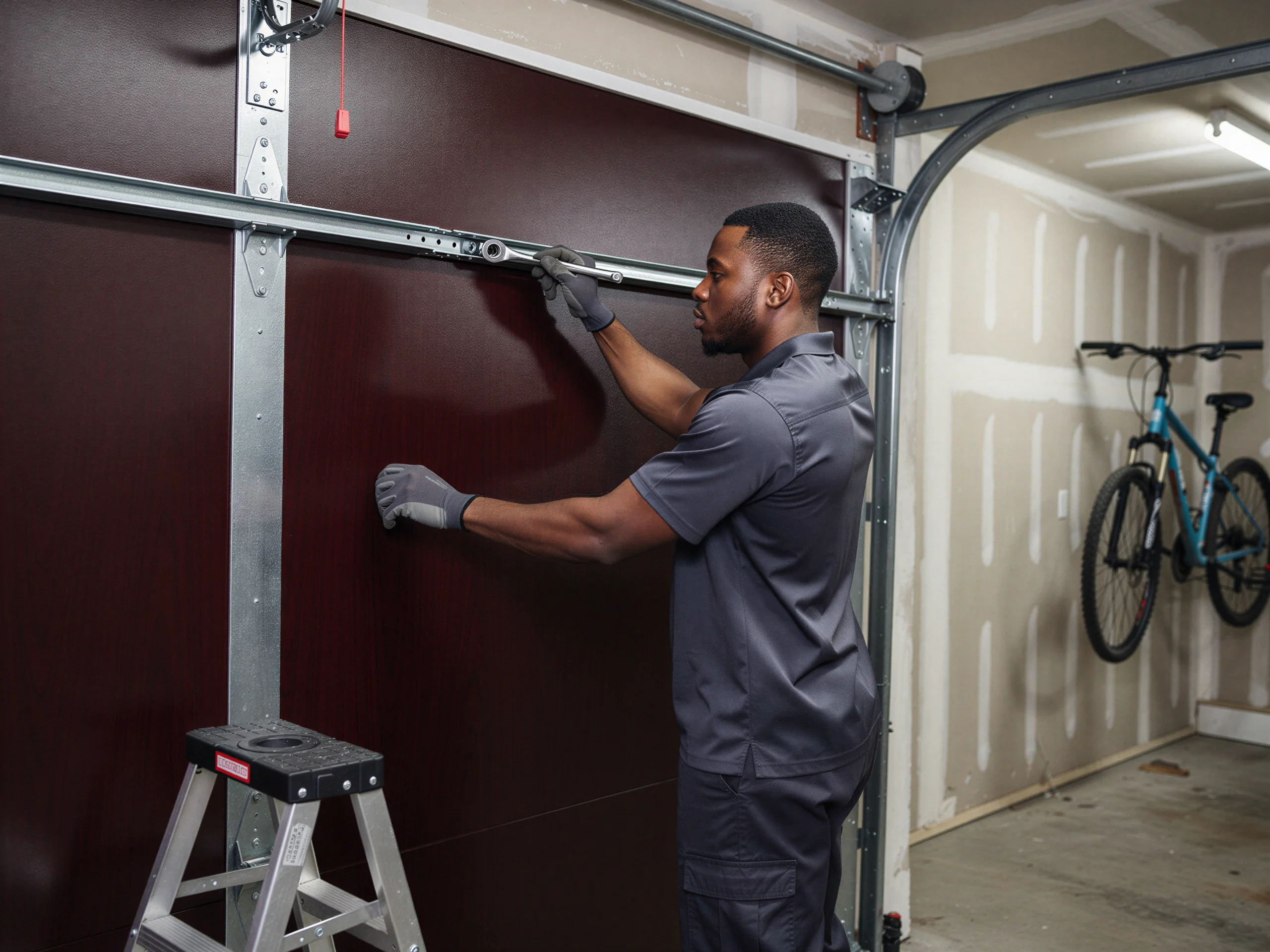
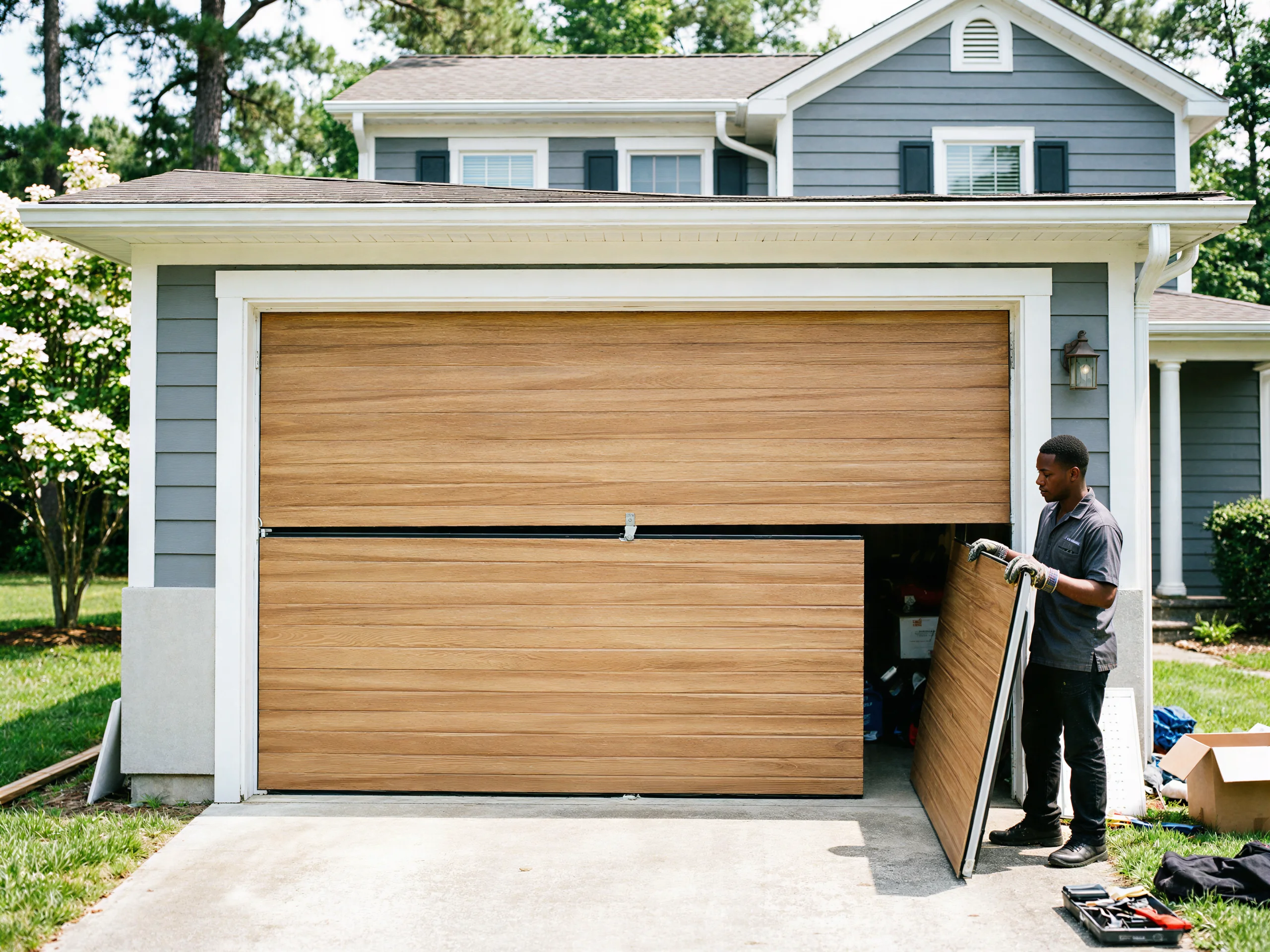
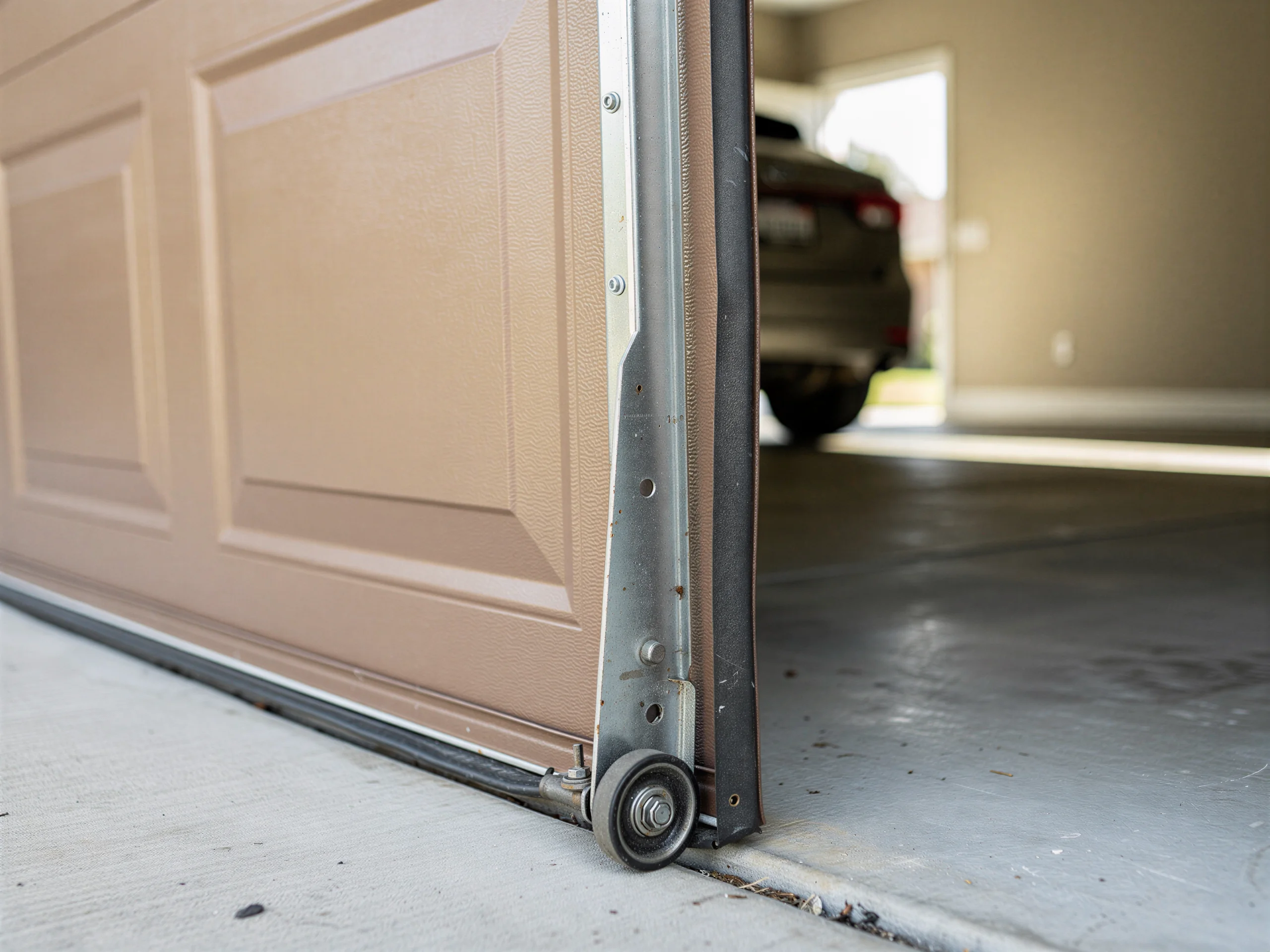
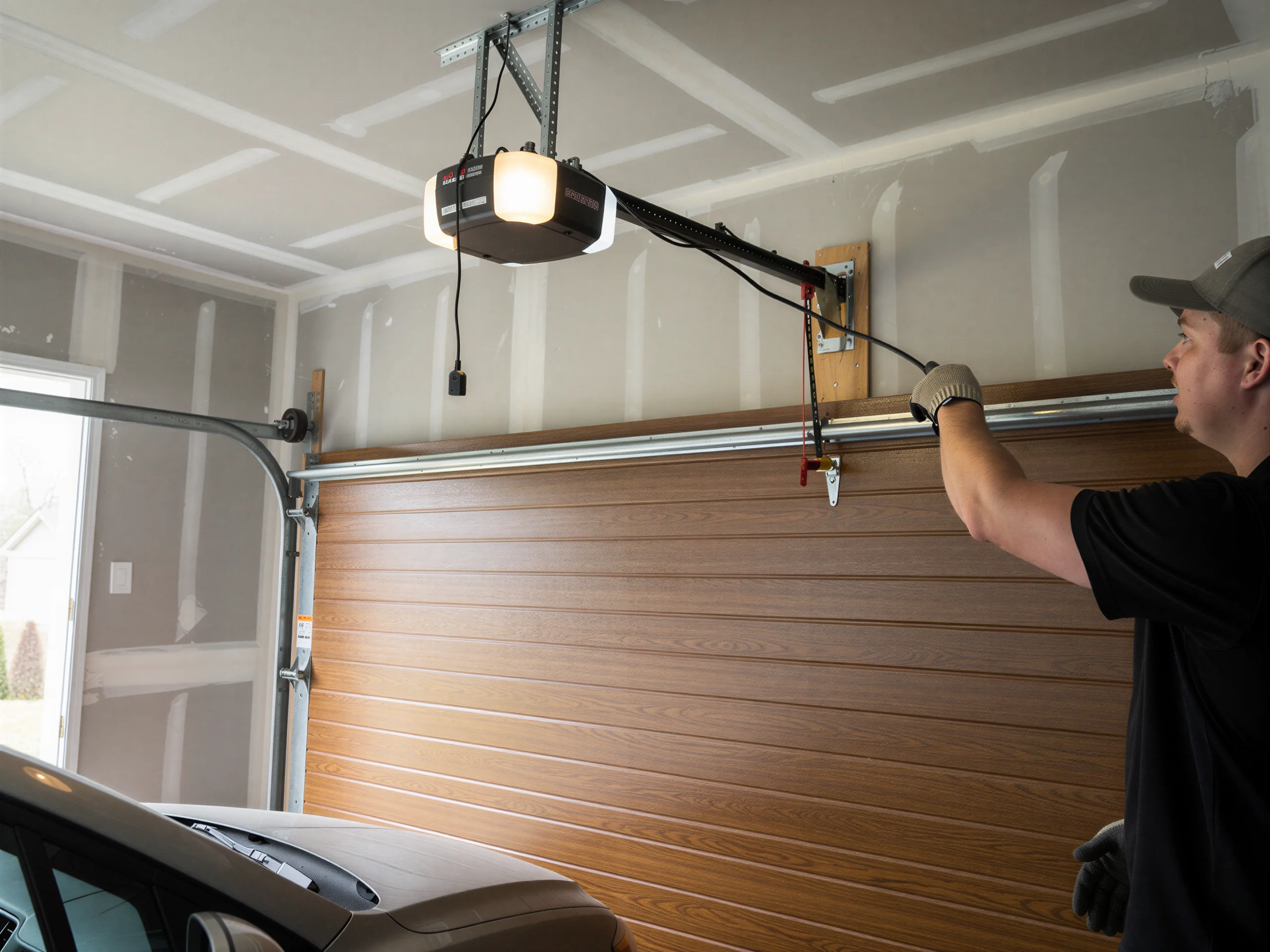
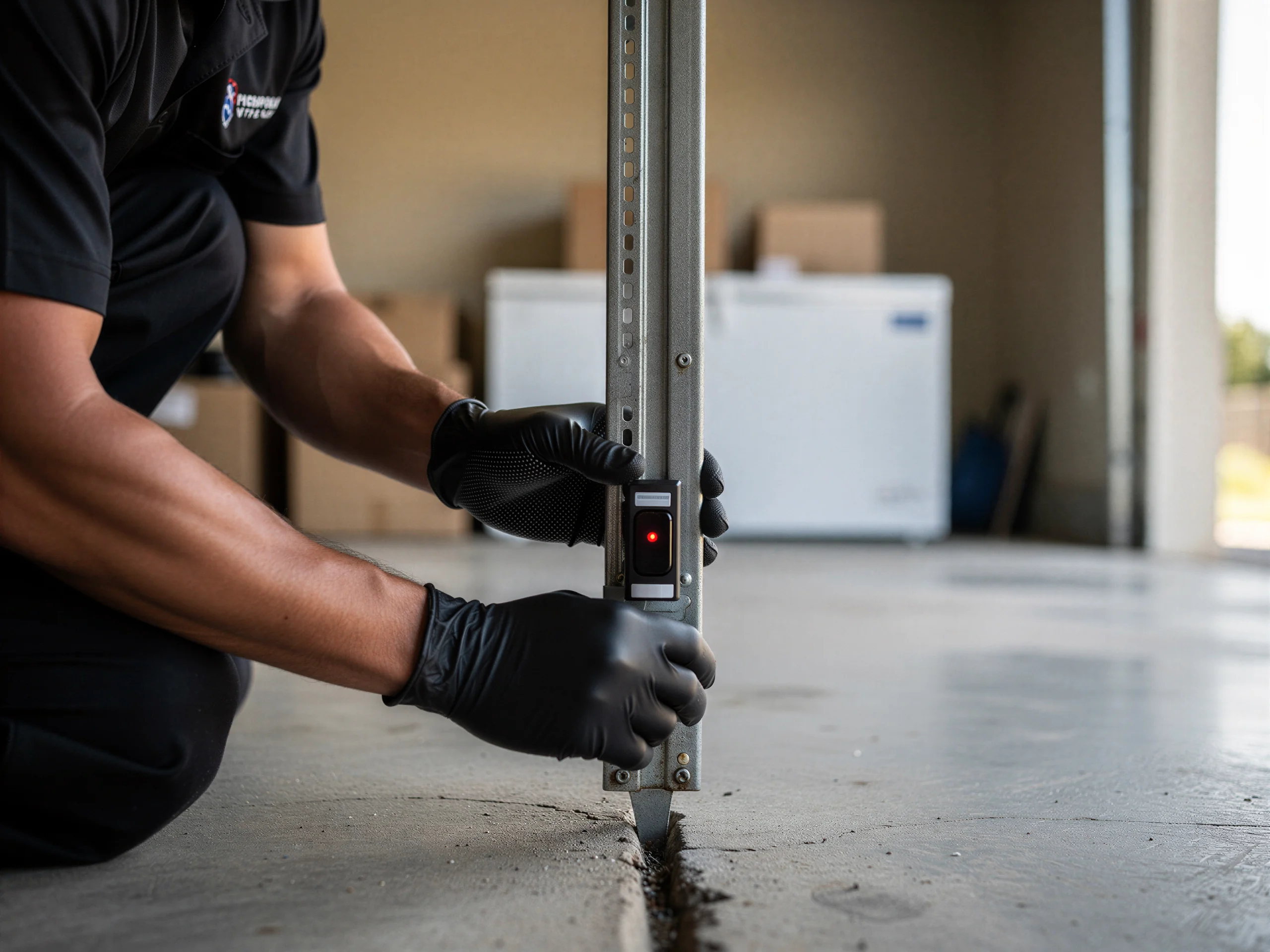
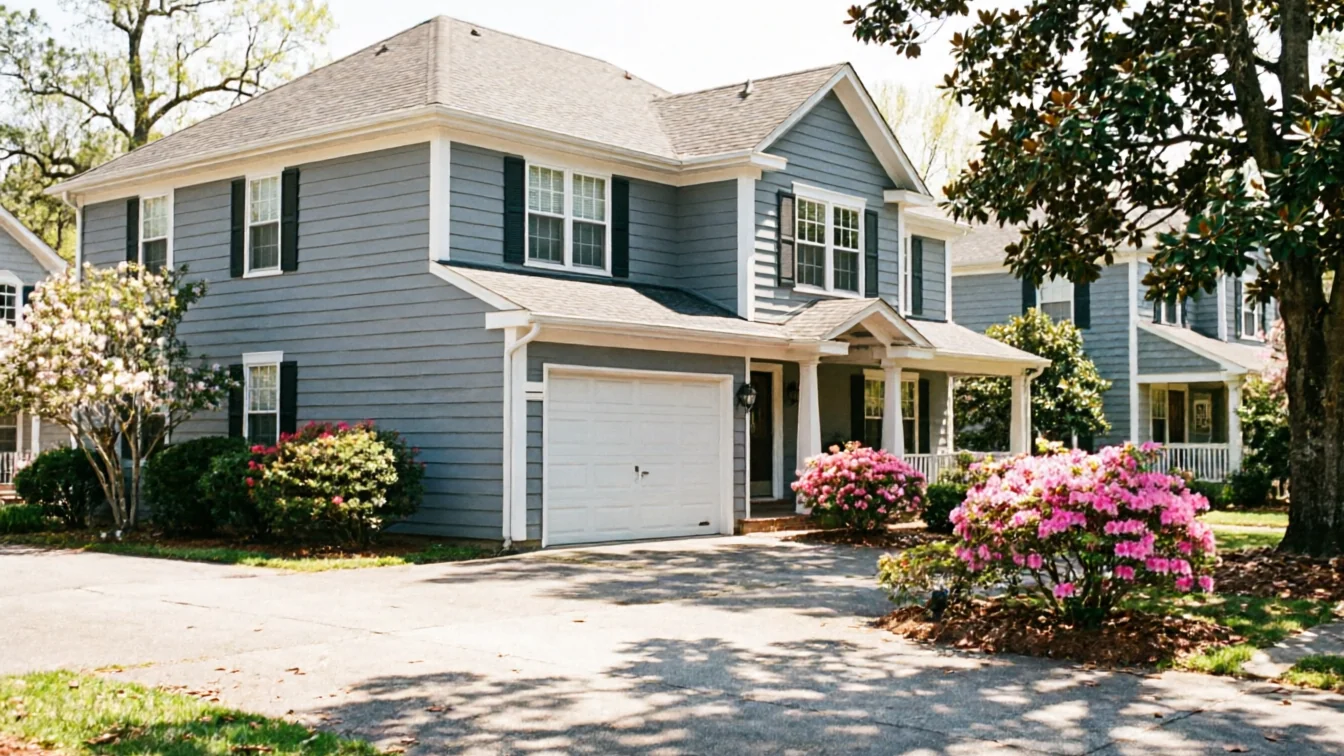
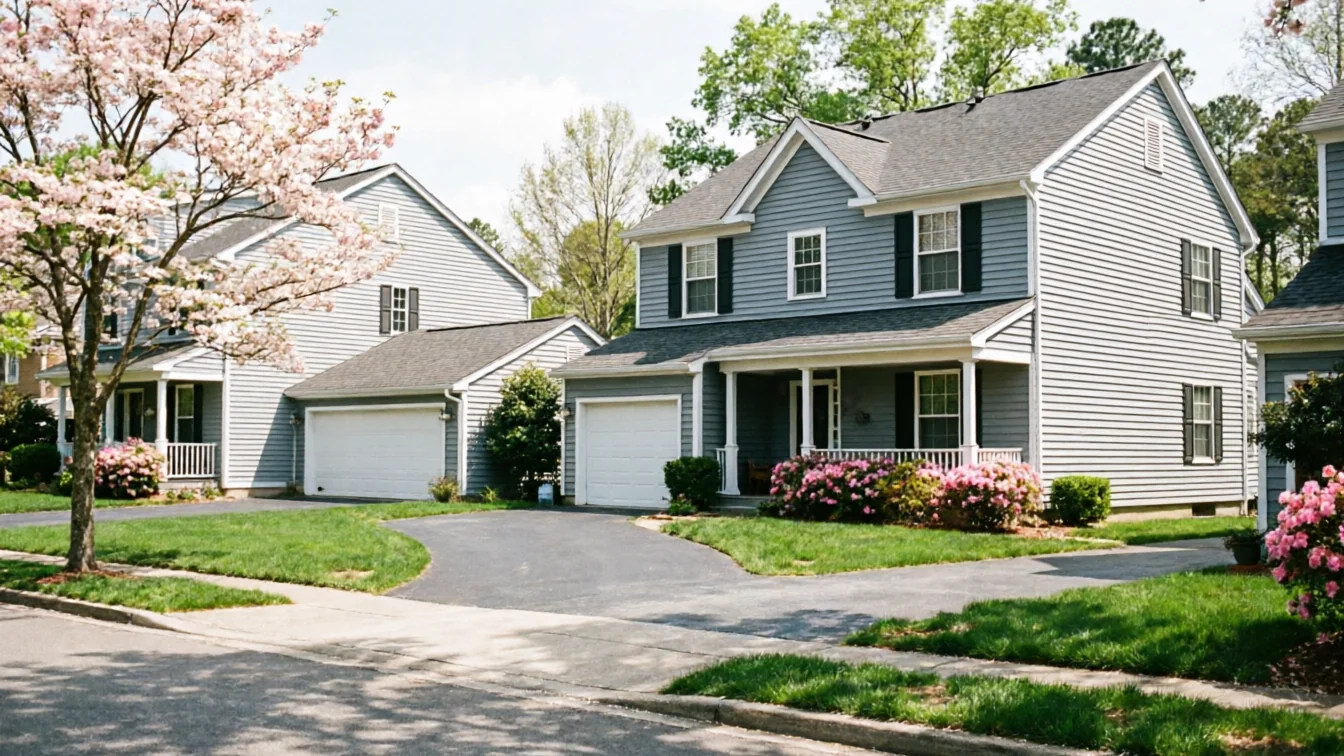
Most of our service area went up in the 2000s, but Chapel Hill is older - the typical house here dates to around 1992, a full decade ahead of the Spring Hill average. That gap matters more than it sounds. Doors and openers installed in the early-to-mid 90s are past the end of their realistic service life, and a lot of them still have the original hardware: steel rollers instead of nylon, single-spring setups on wider doors, and openers with chain drives that have been grinding away for thirty-plus years. If your house in Chapel Hill still has its first door, you're not dealing with a worn part here and there - you're dealing with a whole system that was built to a different standard than what goes in new construction now. We see this pattern a lot in the older pockets of the area: a spring that finally lets go isn't an isolated failure, it's the oldest part of an aging assembly finally giving out, with the track, cables, and drum right behind it. Knowing the house is this old changes how we diagnose the call before we even get there.